01
Create the fashion direction
Start with a fashion idea, fabric, garment or outfit reference and choose the clothing direction you want to explore.
Explore an outfit concept, visualize the fashion direction on a person, refine the result and move toward measurements, fabric guidance, tailoring instructions and production-oriented preparation with Fashion Try-On AI.
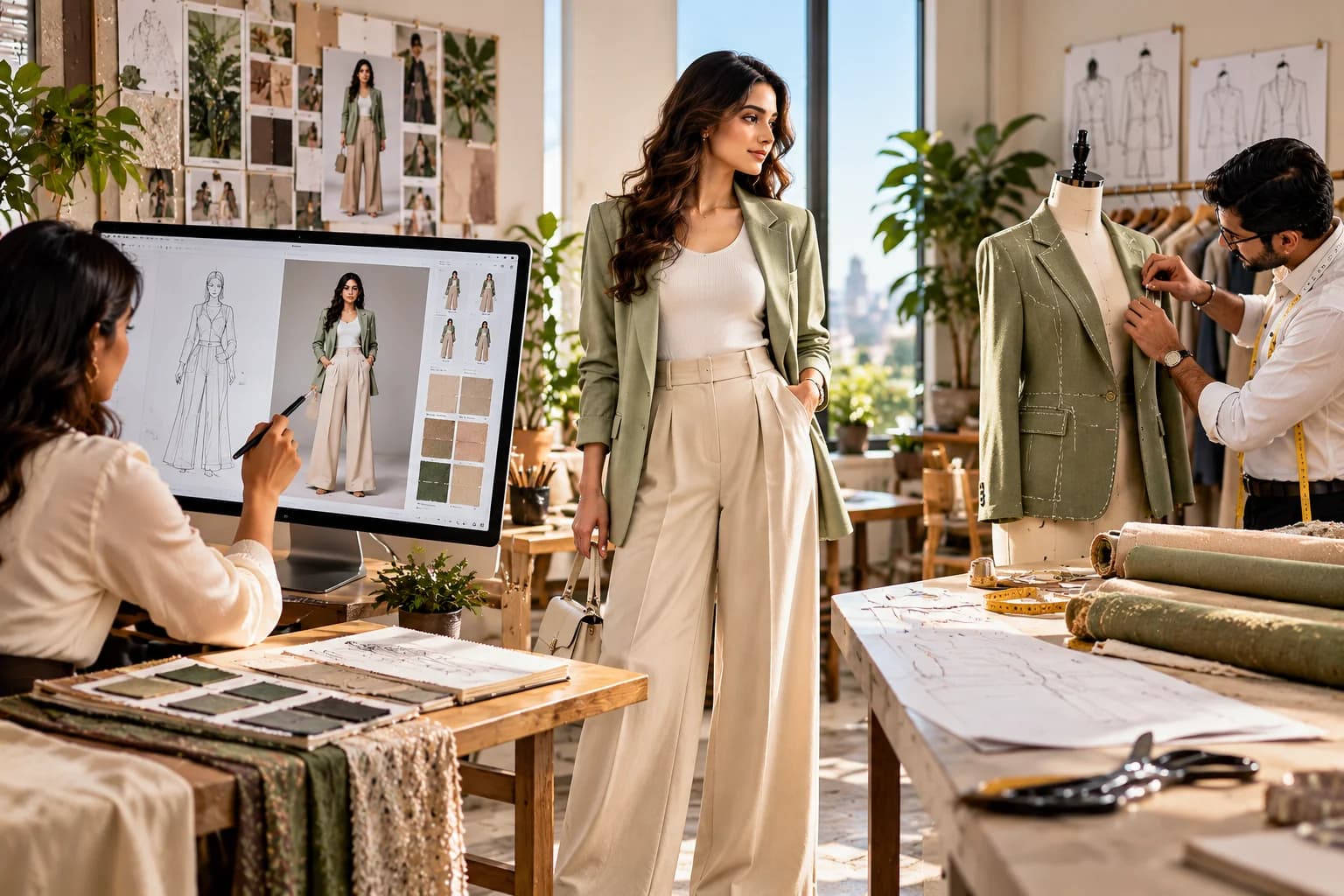
Design-to-production workflow
Explore before tailoring
Quick answer
Yes. Fashion Try-On AI can help move a fashion idea from an outfit concept and virtual try-on toward measurement-based adjustments, fabric guidance, tailoring instructions and production-oriented preparation. These AI outputs can support design exploration and communication with a tailor or fashion professional, but final measurements, pattern cutting, garment construction, fabric behavior and physical fit should still be verified professionally.
How it works
Fashion Try-On AI connects fashion exploration, outfit visualization and tailoring-oriented preparation in one progressive workflow.
Start with a fashion idea, fabric, garment or outfit reference and choose the clothing direction you want to explore.
Use AI to explore how the starting reference or idea could develop into a visual outfit concept.
Explore the fashion direction on a person photo, evaluate the result and refine the concept before moving further.
Use measurements, fabric guidance, tailoring instructions and production-oriented outputs as preparation for professional garment creation.
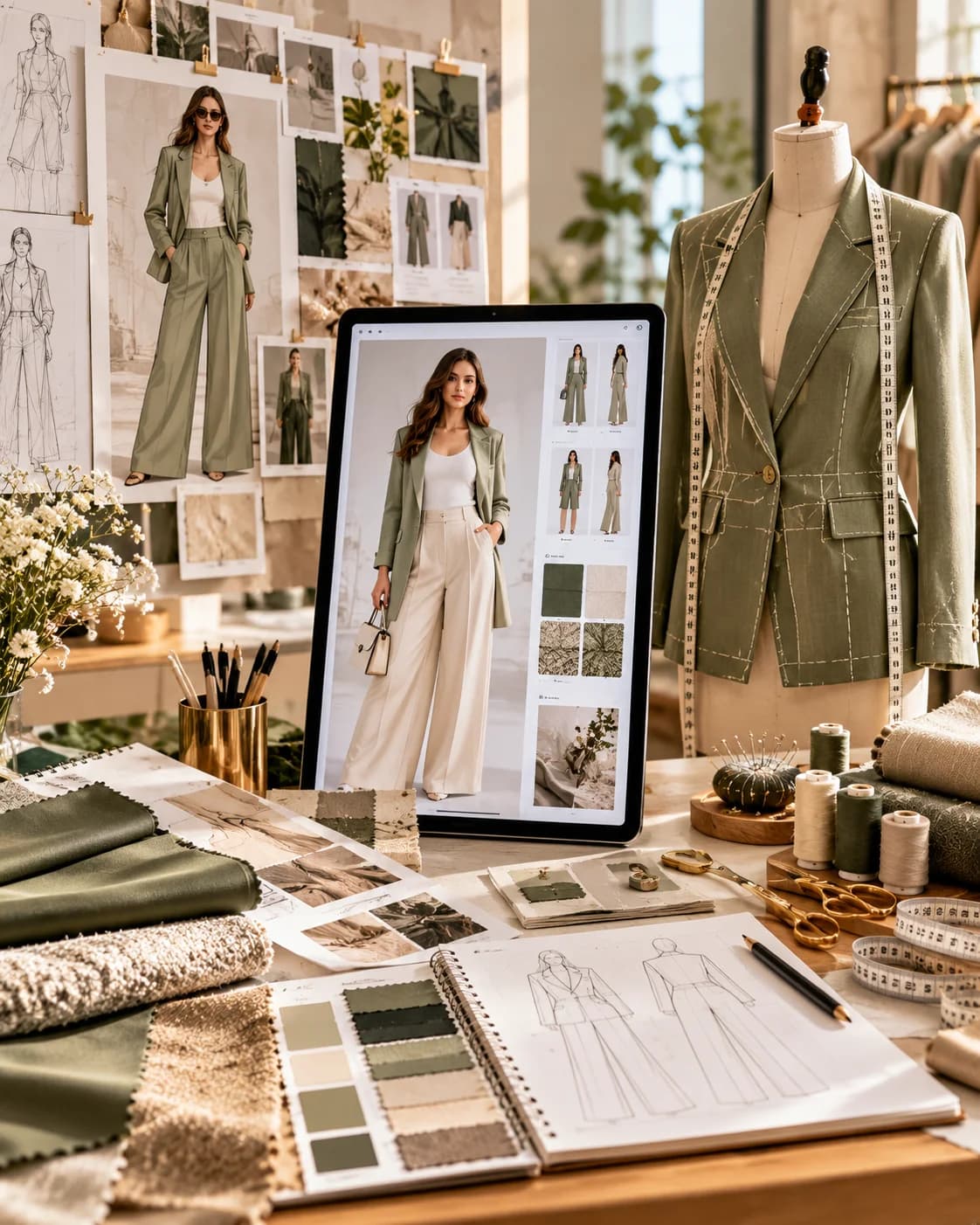
Connected workflow
Concept → Person → Tailoring
Design-to-tailoring workflow
Fashion Try-On AI can support more than a single generated fashion image. The workflow can begin with an idea, fabric or garment reference, continue through outfit visualization and virtual try-on, and then provide information that can help prepare the concept for discussion with a tailor or fashion professional.
Step 01
Begin with an outfit idea, fabric, garment or visual reference that defines the fashion direction you want to explore.
Step 02
Use AI to translate the starting direction into a visual clothing concept before committing to physical garment creation.
Step 03
Visualize the fashion direction on a person photo to better understand the overall silhouette, styling and appearance.
Step 04
Use measurement, fabric and tailoring-oriented guidance to support discussion with a tailor or fashion professional.
Fabric to fashion
When the material already exists but the finished garment does not, Fashion Try-On AI can help explore how that fabric might inspire an outfit concept before the design moves toward stitching or production.
Explore Fabric to Outfit AIUse a fabric or material reference as the visual starting point for an outfit direction.
Consider how the material could translate into different clothing styles before physical cutting or stitching.
Move the selected fashion direction into visualization, refinement and tailoring-oriented preparation.
Virtual visualization
After developing an outfit concept, Fashion Try-On AI can help visualize that fashion direction on a person photo. This adds another stage of exploration before the concept moves toward measurements, tailoring decisions or physical garment construction.
Explore how the outfit direction may appear on a person before moving toward physical garment creation.
Evaluate the relationship between the garment concept, proportions and overall visual styling.
Use the visualization as another reference point before discussing construction with a tailor or fashion professional.
Before visualization
A fashion direction developed from an idea, fabric, garment or outfit reference.
Next stage
Explore the fashion direction on a person before moving toward tailoring-oriented decisions.
Virtual try-on is an AI fashion visualization. It can help explore appearance and styling direction, but it does not guarantee exact physical fit, garment drape, construction or real-world fabric behavior.
Measurements
Once an outfit direction has been explored visually, measurement information can help move the concept closer to a tailoring conversation. Fashion Try-On AI can provide measurement-oriented guidance as part of the broader outfit preparation workflow.
Organize body and garment-related measurements that can support the next stage of outfit planning.
Use the outfit direction and measurement information to think through important garment dimensions and proportions.
Bring the generated guidance into a conversation with a tailor or fashion professional for review and correction.
What AI can support
What still needs professional verification
AI-generated measurement guidance should not be treated as a substitute for measurements taken and verified by a qualified tailor or fashion professional before garment cutting or construction.
Tailoring guidance
Fashion Try-On AI can help organize a generated outfit into information that is more useful for the next stage of garment creation. Depending on the workflow, this can include fabric requirements, measurement information, tailoring instructions, estimated cost and garment pattern-piece guidance.
Make This Outfit
The generated information can act as a structured reference when discussing the outfit with a tailor, designer or garment maker.
Use the selected outfit direction to organize fabric-related considerations for the garment.
Generate tailoring-oriented guidance that can help communicate the intended garment direction to a professional.
Explore the garment components and pattern-piece direction that may be relevant to constructing the selected outfit.
Use estimated production information as an early planning reference before confirming real costs with a tailor or maker.
Tailoring instructions, fabric requirements, estimated costs and pattern-related outputs should be reviewed against the actual person, material and garment construction method. Final measurements, pattern drafting, cutting and construction remain the responsibility of the tailor or qualified fashion professional.
Production preparation
After exploring the outfit, virtual visualization and tailoring-oriented guidance, the concept can move toward production preparation. The goal is to organize useful design information before a tailor or fashion professional makes the final construction decisions.
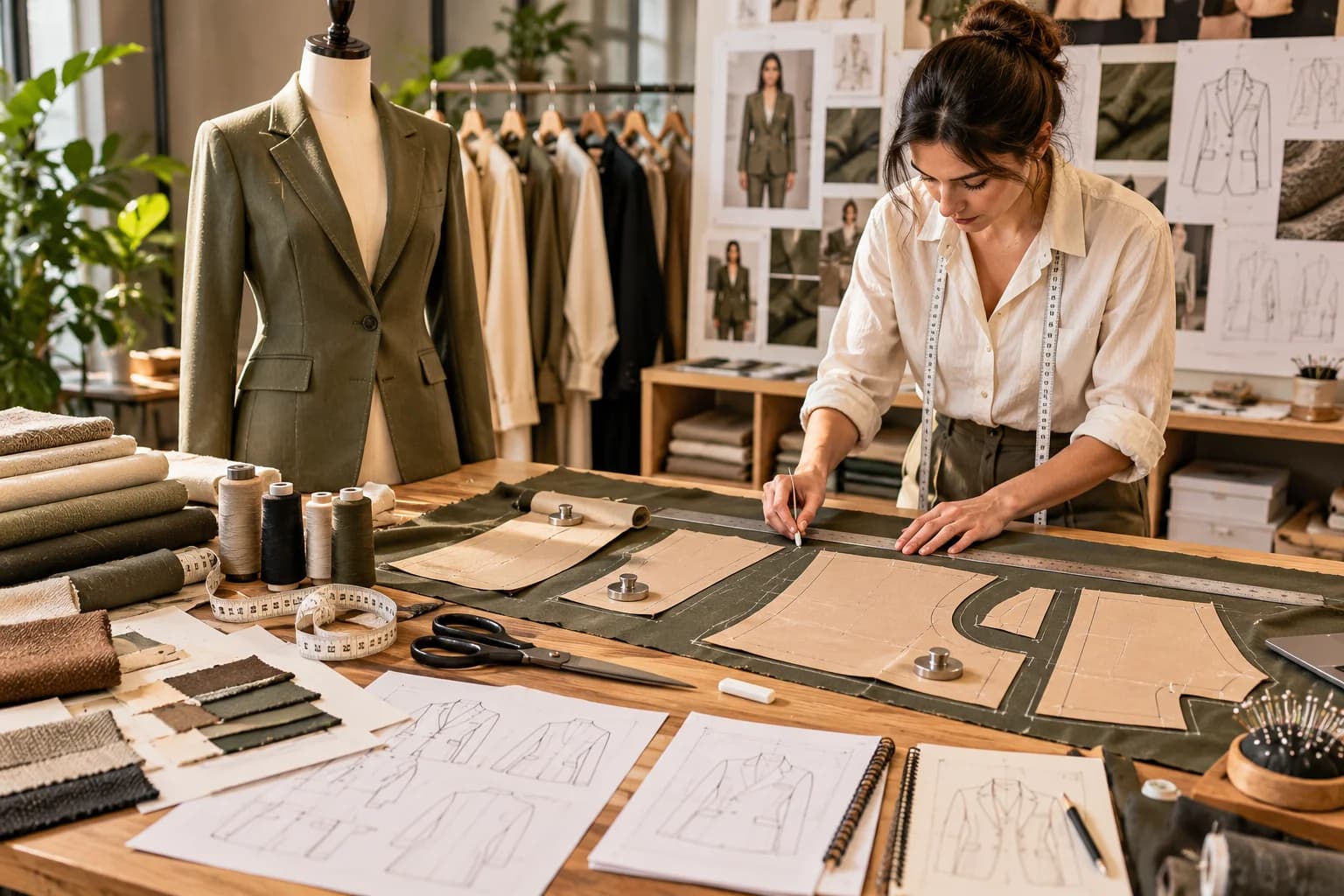
From digital concept to physical preparation
Review before cutting and construction
Use the selected outfit concept and visualization as a reference for the intended silhouette, styling and garment direction.
Bring together measurement guidance, fabric considerations, tailoring instructions and relevant garment components.
Have the actual measurements, material behavior, pattern dimensions and construction method reviewed before cutting or stitching.
Connected fashion workflow
Who it's for
Fashion Try-On AI can support people who need to explore a fashion idea visually and then carry that direction into customer discussions, tailoring preparation or garment development.
Explore AI Fashion Tools for BoutiquesExplore outfit directions, visualize concepts and organize ideas before moving into detailed garment development.
Turn fabrics and customer ideas into visual outfit directions that can support discussions before stitching.
Use generated outfit, measurement and tailoring-oriented information as an additional reference before professional construction.
Explore garment concepts and person-based visualization when developing or presenting fashion ideas.
AI + professional expertise
Fashion Try-On AI is designed to support fashion exploration, visualization and preparation. It does not replace the practical expertise required to construct and fit a real garment.
Fashion Try-On AI
Exploring fashion and garment directions
Generating outfit concepts from ideas or references
Visualizing the fashion direction on a person
Organizing measurement and tailoring-oriented guidance
Preparing information for the next production stage
Tailor / fashion professional
Exact body and garment measurements
Fabric behavior, drape and construction suitability
Pattern drafting and garment-specific allowances
Cutting, stitching and construction techniques
Final physical fit and finishing
The strongest workflow combines AI-assisted exploration with professional judgment: use AI to develop and communicate the fashion direction, then use a qualified tailor or fashion professional to verify the information and construct the physical garment.
Fashion workflow use cases
Fashion projects do not always begin in the same place. You may already have a fabric, a garment reference, an outfit idea or a generated concept. Fashion Try-On AI can help connect those starting points with visualization and tailoring-oriented preparation.
Start with a fashion idea and explore how it could develop into a visual outfit concept before physical garment creation.
Use an existing fabric or material reference to explore possible clothing directions before cutting or stitching.
Visualize the selected fashion direction on a person photo to review the overall appearance and styling.
Carry the chosen concept forward with measurement, fabric and tailoring-oriented guidance for professional review.
Use visual concepts to make boutique or designer conversations more concrete before a customer commits to stitching.
Organize the design direction and supporting information before final pattern drafting, cutting and garment construction.
Related workflows
Continue with a workflow that matches where your fashion project begins—from an existing fabric to boutique design exploration or Indian clothing visualization.
Fabric → Outfit
Start with a fabric or material reference and explore how it could become an AI outfit concept before stitching.
Boutiques & Designers
Explore AI-assisted fashion visualization for boutique, designer and customer-facing clothing workflows.
Indian Fashion
Explore sarees, lehengas, kurtas, Anarkalis and other Indian fashion directions with AI visualization.
Frequently asked questions
Understand how AI fashion visualization, measurements and tailoring-oriented guidance can fit into the journey from a digital outfit concept to professional garment preparation.
Yes. Fashion Try-On AI can help move a fashion idea from outfit exploration and virtual visualization toward measurement, fabric and tailoring-oriented guidance. The generated information can support preparation and communication with a tailor or fashion professional, while final measurements, pattern drafting, cutting, construction and physical fit should still be verified professionally.
Fashion Try-On AI can provide tailoring-oriented instructions and garment preparation information based on the selected outfit direction. These outputs are intended as planning and communication references rather than final construction instructions, so a qualified tailor or fashion professional should review them before garment creation.
Fashion Try-On AI can organize measurement-oriented information as part of the outfit preparation workflow. AI-generated measurement guidance should not replace accurate body measurements taken and verified for the person who will wear the garment.
Yes. You can begin with a fabric or material reference, explore an AI outfit concept, visualize the fashion direction on a person and then carry the selected concept toward measurement, fabric and tailoring-oriented preparation before professional garment construction.
Yes. Fashion Try-On AI can visualize an outfit direction on a person photo before the physical garment is stitched. The result is an AI fashion visualization and does not guarantee exact physical fit, fabric drape, construction or final garment appearance.
Fashion Try-On AI can provide garment component and pattern-piece-oriented guidance as part of its preparation workflow, but this should not be treated as a production-ready sewing pattern. Final pattern drafting and dimensions should be created or verified by a qualified fashion professional or tailor.
Yes. Fashion designers and boutiques can use Fashion Try-On AI to explore fabrics, outfit concepts, person-based visualization and tailoring-oriented preparation before customer decisions, stitching or production.
No. Fashion Try-On AI supports fashion exploration, visualization and preparation. Professional expertise is still needed for exact measurements, fabric assessment, pattern drafting, cutting, stitching, construction and final physical fit.
AI-generated fashion, measurement and tailoring information is intended for visualization and preparation. Final measurements, patterns, material decisions, cutting, stitching and garment construction should be verified by a qualified professional.
From idea to preparation
Start with an idea, fabric, garment or outfit reference, visualize the fashion direction and explore how the concept can move toward tailoring-oriented preparation with Fashion Try-On AI.
AI-generated fashion and tailoring information should be reviewed against real measurements, materials and professional garment-construction requirements.